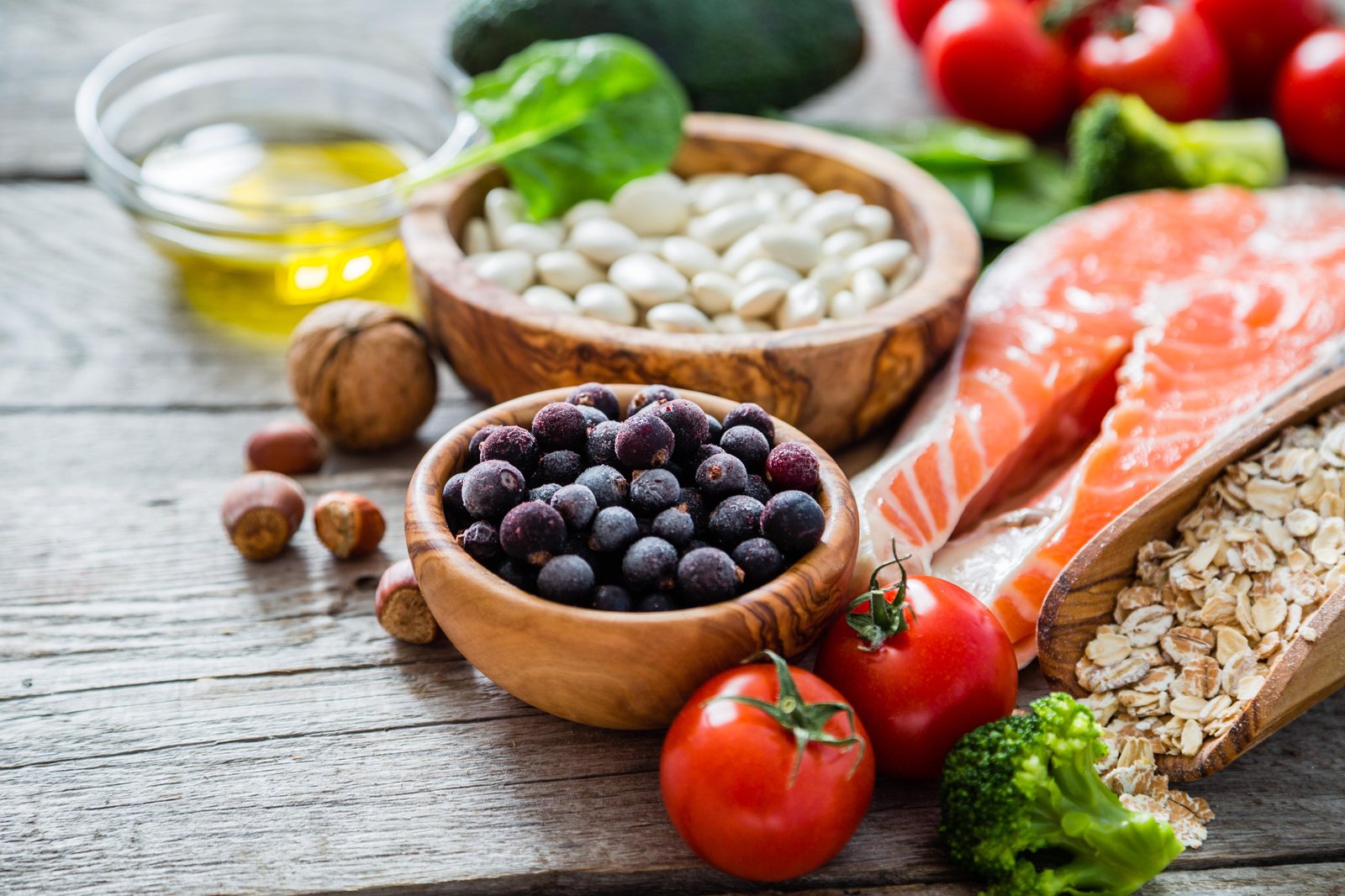
The Connection Between Gut Health and Overall Wellness
Gut health plays an important role in digestion, nutrient absorption, immunity, metabolism, and overall well-being. The digestive system does much more than process food—it interacts with the immune system, nervous system, hormones, and metabolism. Supporting a healthy gut through balanced nutrition and healthy lifestyle habits can contribute to better overall health.
What Is Gut Health?
Gut health refers to how effectively the digestive system functions and how balanced the microorganisms living in the digestive tract are. The gut contains trillions of microorganisms, including beneficial bacteria, that interact with the food we eat and support several important processes.
A healthy gut is supported by a varied diet, adequate fiber, hydration, physical activity, quality sleep, and effective stress management.
Why Is Gut Health Important?
The digestive system helps break down food and absorb nutrients needed for energy, growth, tissue repair, and normal body functions. The gut also plays an important role in immune function.
When digestion is not functioning well, some people may experience symptoms such as bloating, constipation, irregular bowel movements, or abdominal discomfort. Persistent or severe symptoms should always be discussed with a qualified healthcare professional.
Fiber: A Foundation for Gut Health
Dietary fiber is one of the most important components of a gut-friendly diet. It is found naturally in vegetables, fruits, whole grains, beans, lentils, nuts, and seeds.
Fiber supports regular bowel movements and can provide nourishment for beneficial gut microorganisms. Increasing fiber gradually while drinking enough water can help the digestive system adapt comfortably.
Good Sources of Fiber
- Vegetables
- Fresh fruits
- Oats and whole grains
- Beans and lentils
- Nuts and seeds
- Chia and flaxseeds
Eating a variety of plant foods is generally more beneficial than relying on one particular “superfood.”
Fermented Foods and the Gut
Certain fermented foods contain live microorganisms that may contribute to a diverse gut environment. Depending on individual tolerance and dietary preferences, foods such as plain yogurt, curd, kefir, or traditionally fermented vegetables can be included as part of a balanced diet.
However, fermented foods are not a replacement for medical treatment, and their effects can vary from person to person.
Hydration and Digestion
Water supports many digestive processes and helps maintain normal bowel function. Insufficient fluid intake, particularly when combined with low fiber consumption, may contribute to constipation.
Make water your primary beverage and maintain hydration according to your individual needs, climate, and activity level.
Stress and Gut Health
The gut and brain communicate continuously through what is often called the gut-brain connection. Stress can influence digestion, appetite, and bowel habits.
Practices such as regular physical activity, adequate sleep, deep breathing, meditation, and taking time to eat mindfully can support a healthier lifestyle and may help manage stress-related digestive discomfort.
Foods to Limit
There is no single list of foods that everyone needs to avoid. However, frequently consuming highly processed foods, excessive added sugar, and large amounts of unhealthy fats may reduce overall diet quality.
Instead of focusing only on restriction, build meals around whole and minimally processed foods and enjoy less nutritious foods occasionally and in appropriate portions.
Gut Health and Weight Management
Gut health can be considered as part of a broader approach to metabolic wellness. Fiber-rich foods can improve fullness and help support healthy eating patterns, while a varied diet provides nutrients needed for normal metabolism.
Healthy weight management should include balanced nutrition, physical activity, adequate sleep, and sustainable lifestyle habits rather than extreme diets.
Simple Habits for Better Gut Health
You can support digestive wellness by making small, consistent changes:
- Eat a variety of vegetables and fruits.
- Include whole grains and legumes regularly.
- Increase dietary fiber gradually.
- Drink adequate water.
- Include suitable fermented foods if tolerated.
- Eat slowly and practice mindful eating.
- Stay physically active.
- Get sufficient sleep.
- Manage stress.
- Avoid unnecessary restrictive diets.
Conclusion
Gut health is an important part of overall wellness. A diverse, fiber-rich diet combined with adequate hydration, physical activity, quality sleep, and stress management can help support healthy digestion and a balanced lifestyle.
There is no universal diet for gut health. Individual food tolerances, medical conditions, medications, and nutritional requirements are different. The best approach is a personalized and sustainable one that nourishes the body while supporting long-term digestive and overall wellness.